This isn't a guide to "best practices." This is a critical examination of where Myanmar's media actually is, what the data shows, and what brands are discovering — and sometimes regretting — in real campaigns.
The Core Reality: Myanmar's Fragmented Media Landscape
Let's start with the uncomfortable truth: There is no "right" channel in Myanmar. There are only the right channels for specific audiences, at specific moments.
The Numbers
- Population: 54.9M
- Internet Users: 39.8M (72.5%)
- Social Media Users: 21.0M (38.2%)
- Mobile Connections: 62.5M
Geography
- Urban: 33%
- Rural: 67%
- Peak Time: 7-10 PM
- Data: Oct 2025
The critical insight: Rural Myanmar — home to 35 million people — has significant internet penetration (72.5% of users), which was previously underestimated. This opens more rural markets to digital advertising than commonly believed.
Traditional Media: TV Still Dominates (With Caveats)
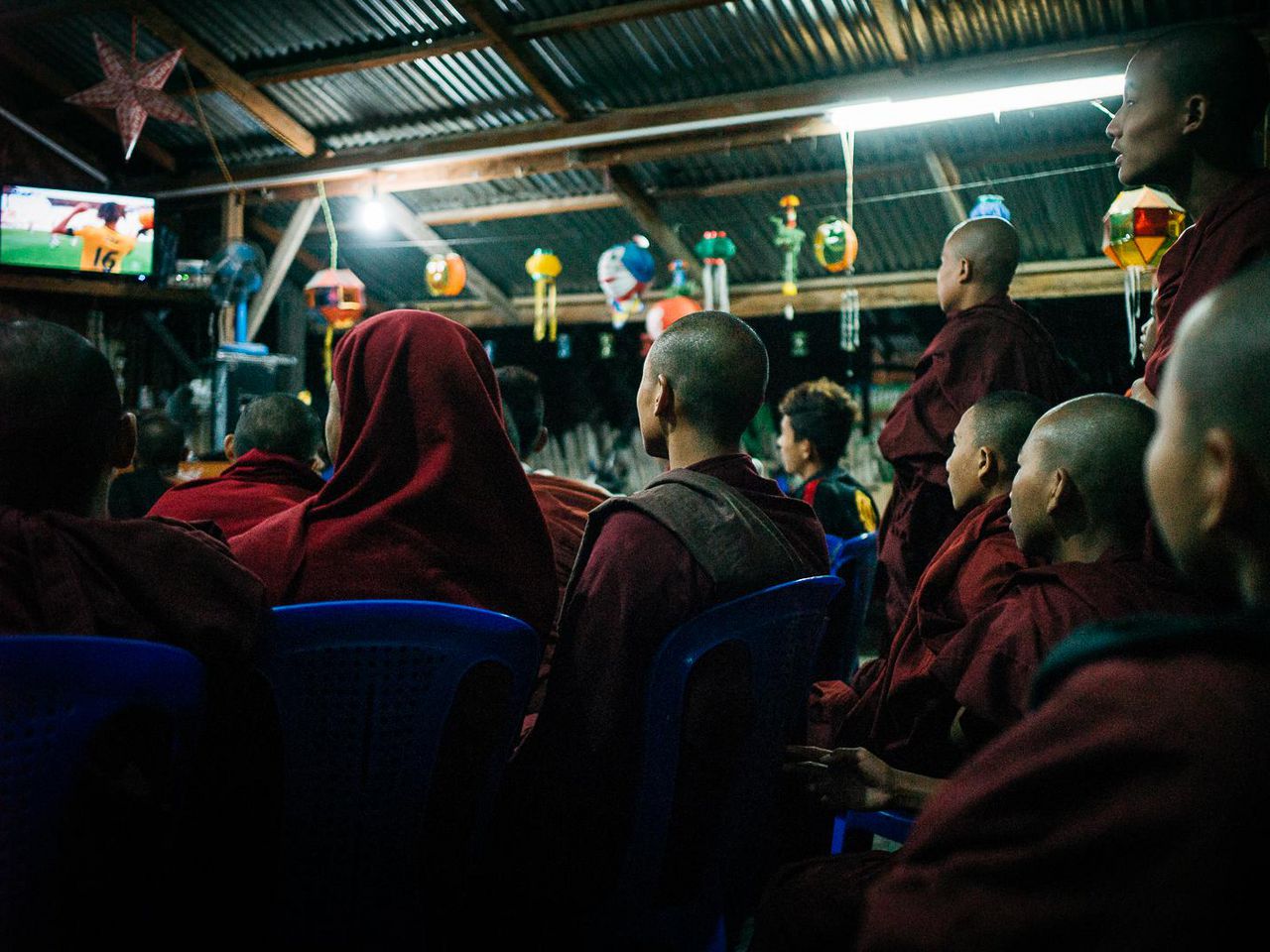
The Market Reality
TV Reach
- 78% watch regularly
- ~22M daily viewers
- Peak: 7-10 PM
Why It Works
- Rural reach (35M)
- 45+ demographic trust
- Government credibility
What Brands Are Actually Paying (2026)
Pricing
- Prime (7-10 PM): $1.2-3K/spot
- Off-peak: $400-800/spot
- Minimum: 4 weeks
Reality
- No price transparency
- Varies by season, show
- Up 25% YoY demand
The Channels That Matter
- MRTV / MRTV-4: 70% reach, government-backed. Mandatory for mass campaigns and credibility-dependent campaigns.
- Channel 7: Urban-focused (25-45). Entertainment-heavy. Good for consumer goods and tech.
- Private Channels: Cable (Canal Plus, Skynet). Affluent urban. Premium positioning possible.
Radio: Declining But Not Dead
Radio listening declined 30% since 2020 as smartphones captured commute time. However, radio still effectively reaches taxi drivers, transport workers, factory shift workers, and rural areas with poor internet. Key stations: Shwe FM, Padamyar FM, City FM. Monthly spend for regional campaigns: $3,000-8,000.
Digital Platforms: Where the Money Actually Flows
Myanmar's digital commerce is heavily concentrated in 3-4 super apps. This concentration is both opportunity and risk.
Grab: The Dominant Player
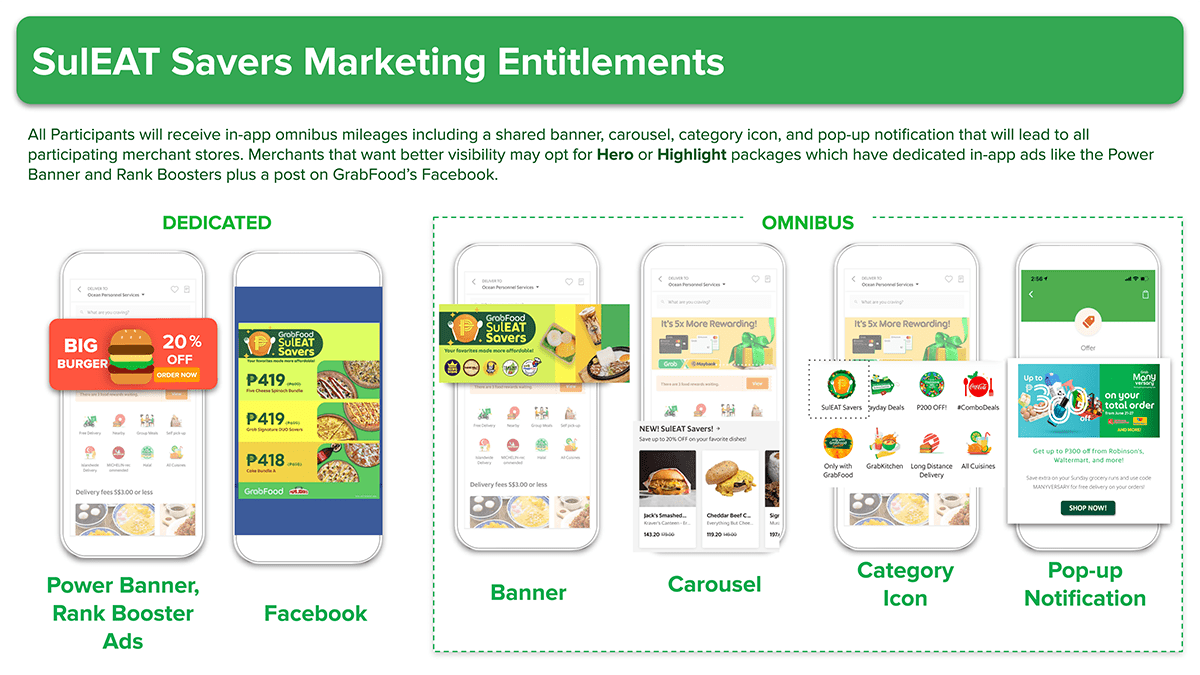
Market Position
- 5.2M monthly active
- 75% ride-hailing share
- Growing food delivery
What Works
- In-app promotions
- Sponsored listings peak hours
- $20-50/day placement
Foodpanda: Niche but Effective
User Base
- 2.8M monthly active
- Growing 30% YoY
- 80% Yangon
Why It Works
- Purchasing mindset
- 11 AM peak = 3x visibility
- $15-40/day placement
Foodpanda works because users are in a purchasing mindset. Restaurants advertising at 11 AM (lunch prep) see 3x higher visibility than off-peak. Timing is algorithmic, not human.
Mobile Wallets (KBZPay, WavePay)
Critical: These are payment gateways, not advertising platforms. Brands use them for co-branded promotions ($500-2K per promotion), loyalty integration, and direct merchant relationships. Growing 50% YoY but still urban-only. Rural Myanmar hasn't adopted at scale.
Viber: Underutilized
3.8M users with higher engagement than Facebook (15+ daily checks). Works for: direct customer communication (order updates, support, loyalty). Not effective for cold outreach or brand awareness.
Streaming & Video Platforms
Streaming adoption in Myanmar is significantly lower than regional averages. While Indonesia, Thailand, and Vietnam have strong streaming audiences, Myanmar's market is still nascent.
Penetration
- Pyone Play: ~450K
- YouTube: 12.4M users
- Piracy: 70% of consumption
What This Means
- Paid platforms niche
- YouTube dominates
- Piracy is major competition
YouTube Dominance
YouTube works because of algorithmic recommendations reaching niche audiences, long-form content performance, and less saturation than Facebook for brand awareness. Cost: $0.50-2.50 CPM (cheaper than Western markets). Growing creator economy with 1000+ content creators earning through the platform.
Digital Publishers: The Trust Gap
Eleven Media, Mizzima, and The Irrawaddy all reach educated, urban audiences. They do NOT reach the average Myanmar consumer. These numbers sound big, but represent massive overlap (same 1-2 million people), concentrated in Yangon, skewed toward government workers and business owners.
Monthly Reach
- Eleven Media: 4.2M
- Mizzima: 2.1M
- The Irrawaddy: 1.4M
The Reality
- Massive overlap
- Yangon-concentrated
- Affluent/professional skew
For Mass Consumer Brands
Publisher reach is overstated for FMCG, retail, and mass-market services. They work best for: B2B marketing, brand prestige positioning, government/corporate audiences, and news-driven PR campaigns.
Native Advertising Reality
Native ads (advertorials) generate engagement rates of 1-3%, similar to or worse than Facebook. Yet they cost 10x more than social media. The paradox: high cost, lower engagement. But brands keep using them for perceived credibility and brand safety positioning.
Programmatic Advertising: The Broken Promise
Eskimi and DKMads offer automated bidding across Myanmar's website network. They promise precision targeting. Here's what actually happens: broad targeting, algorithmic optimization for engagement (not conversions), and variable pricing.
Performance (2026)
- Cost: $0.80-2.00 CPM
- CTR: 0.3-0.8%
- Conversion: 0.02-0.1%
The Problem
- Audience data poor
- Engagement vs conversion
- Limited inventory control
Out-of-Home Advertising: Physical Reality
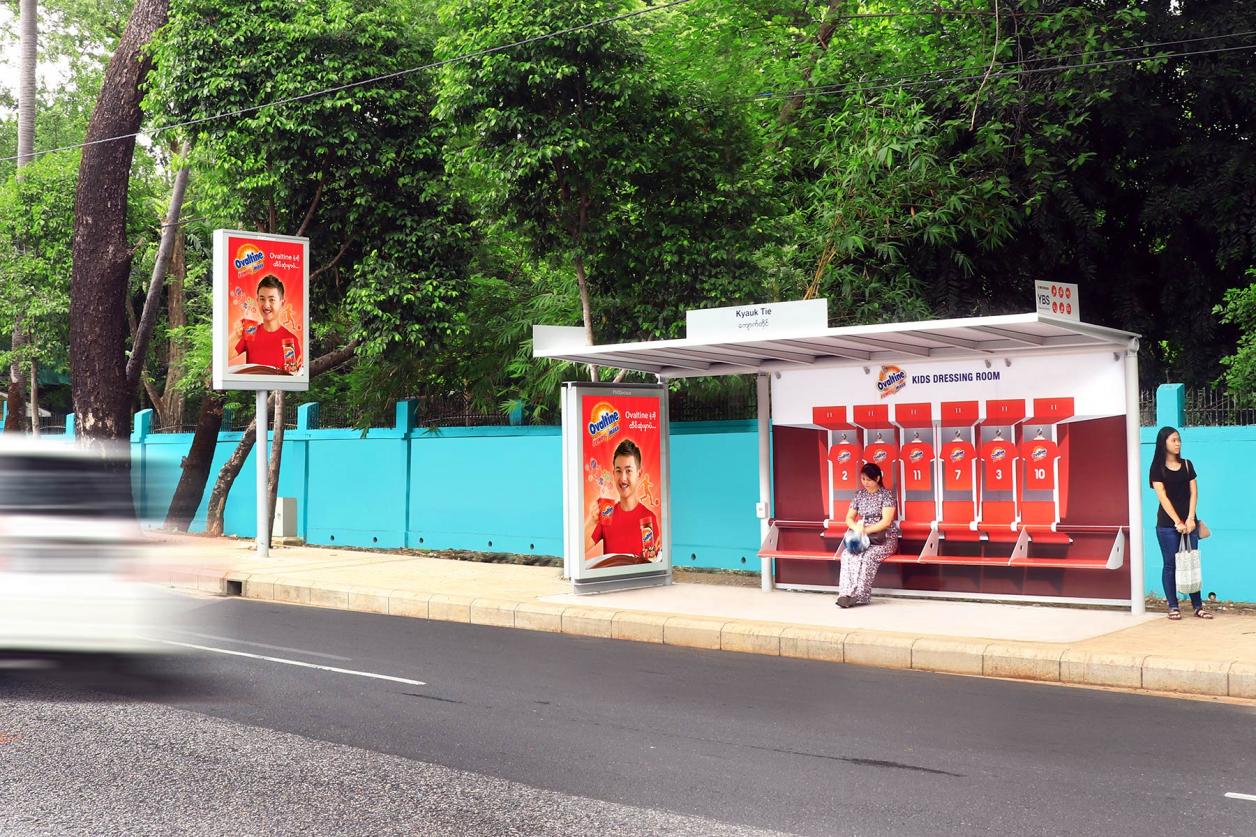
Market Overview
- Market: $40-50M annually
- Yangon: 60%
- Mandalay: 25%
- Duration: 4-12 weeks min
Key Players
- FMIDecaux
- Gandax
- YBM
- IMCS, Milkyway
Billboard Economics
- Cost: $600-2,000/month (location dependent)
- Daily impressions: 5,000-20,000 (hard to verify)
- Typical duration: 4-12 weeks minimum
Mall Advertising (More Measurable)
Key Malls
- Junction City: 2.2M/month
- Myanmar Plaza: 1.8M
- Junction Sq/City: 1.0-1.2M
Costs
- LED screen: $2.5-4K/week
- Escalator: $1.2-2K/week
- Directory: $600-1K/week
What works: Escalator ads (dwell time), LED screens (novelty/motion), directory panels (targeted foot traffic).
Social Media: Where the Attention (and Money) Actually Is
Facebook: The Primary Platform
Users & Reach
- 13.7M users (late 2025)
- 24.9% of population
- 35.2% of adults (18+)
Key Facts
- Demographics: 25-45
- Peak: 7-11 PM
- Under pressure from TikTok
TikTok: The Fastest Growing Platform
Instagram: The Visual Platform
Size
- 929K users (late 2025)
- 1.7% of population
- +9.7% growth (Oct 2024-Oct 2025)
Reality
- Minimal reach for mass
- Visual niche only
- Not primary channel
Ad Cost Reality (2026)
Facebook/Instagram
- Feed: $0.80-3.00 CPM
- Stories: $0.60-2.50
- Reels: $1.00-4.00
TikTok
- In-feed: $2.50-6.00 CPM
- Challenges: $5K-10K flat
- TopView: $3.00-8.00
Influencer Reality
- Fake followers: HypeAuditor estimates 40-60% of Myanmar influencer followers are fake (100K-500K range)
- Engagement decline: Instagram down 30% (2023-2026). Facebook in freefall.
- What works: Nano-influencers (5K-20K) with authentic communities. 8-15% real engagement rates.
Telecom & SMS: Direct But Risky
SMS Reality
Reach & Rates
- 29M possible recipients
- 98% open rate
- 3-8% click rate
The Problem
- High unsubscribe rates
- 3+ msgs/week = 40% unsub
- Quality over quantity
Current Operators
- MPT: 13.2M (largest)
- Ooredoo: 8.1M
- Atom: 3.2M
- Cost: $0.05-0.15/SMS
On-Ground Activation: Still Effective But Expensive
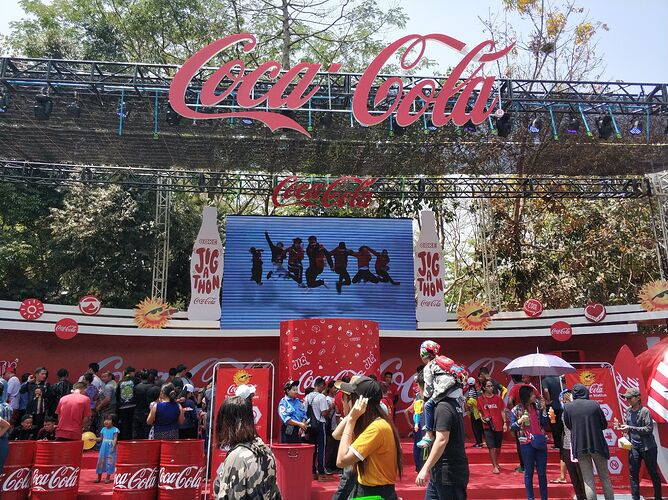
Spending Breakdown
Costs
- Mall: $3-8K/week
- Roadshows: $5-15K/event
- Launch: $10-25K
Returns
- Engagement: 15-25%
- Sample-to-purchase: 20-35%
- ROI: 2-4x typical
Geographic Reality
- Yangon: Justified for most brands (5.7M people, highest purchasing power)
- Mandalay: Required for national brands (1.5M, secondary market)
- Other cities: Only for specific distribution or B2B
- Rural: Not viable for traditional product activations
Final Reality Check: 2026 Market Assessment
Positive Indicators
- Digital adoption accelerating (39.8M internet users, up from earlier estimates)
- E-commerce growing 35% YoY (Grab, Foodpanda, direct-to-consumer)
- Creator economy emerging (1000+ content creators earning through YouTube, TikTok)
- Brand awareness campaigns ROI improving as competition increases
Challenges
- Rural penetration variations (72.5% internet, but uneven distribution)
- CPM inflation (Facebook CPM up 40% since 2023)
- Measurement gaps (no unified analytics standard)
- Influencer fraud (40-60% fake followers across platforms)
The Bottom Line
Myanmar's media landscape is real, measurable, and increasingly data-driven. The days of guessing are over.
Brands succeeding in Myanmar are:
- Platform-agile (willing to test, iterate, kill what's not working)
- Measurement-obsessed (tracking every metric, not assumptions)
- Audience-specific (not mass-market spraying)
- Patient (understanding awareness takes 8-12 weeks, not 2)
The brands failing are those treating Myanmar like Thailand or Vietnam, using generic "Southeast Asia" playbooks, and expecting 2-week results.
// SOURCES & REFERENCES
// IMAGE CREDITS
All images used in this blog are for illustrative purposes and credited to their respective photographers and agencies.